
Dental Veneers Kitchener
Think of your teeth like the front of a house. You can paint over chips and cracks, or you can put up new siding that makes the whole thing look fresh. Dental veneers work kind of like that second option. They’re thin shells that cover the front of your teeth to fix what’s bothering you about your smile. Many patients also consider treatments like teeth whitening in Kitchener to enhance their overall smile.
At Homer Watson Dental, located at 15 Pearson Street in Kitchener, we help people throughout Forest Heights, Stanley Park, Doon South, and the rest of the city figure out if veneers make sense for them. Let’s talk about what they really are and how they actually work.



- MaterialPorcelain or composite
- VisitsUsually 2 for porcelain
- Porcelain lifespan10–15 years
- CoverageUsually cosmetic
What Veneers Actually Do
Veneers are thin covers made from porcelain or composite material that bond to the front surface of your teeth. They look natural and can transform a smile that has bothered you for years. You might be a good fit for veneers if your teeth have:
- Stains that teeth whitening can’t fix
- Chips or small cracks
- Gaps between teeth
- Teeth that look too small
- Slight crookedness that doesn’t need full orthodontics
Getting veneers means your dentist has to remove a small amount of tooth enamel, and this isn’t reversible. Once you get veneers, you’ll always need something covering those teeth — so it’s worth talking it through with your dentist before you decide.
Porcelain or Composite: Two Types to Know
Most veneers are made from one of two materials, and the right choice depends on your budget, your timeline, and what you’re fixing.
Porcelain veneers
Custom-made by a dental lab, porcelain reflects light like real enamel and resists stains from coffee, tea and red wine. With good care they last 10 to 15 years, sometimes longer. The process takes two visits: your dentist preps the teeth and takes impressions, you wear temporaries, then the permanent veneers go on.
Composite veneers
These use the same material as tooth fillings and can be shaped right in the office in a single visit. They cost less and are easier to repair if something chips, but they stain more easily and last around four years. For people in Kitchener neighbourhoods like Huron Park or Downtown who want a faster, more affordable option, composite can work well.
For more extensive damage, options like dental crowns and bridges may also be recommended.
How the Process Works
When you come in for a consultation at our Kitchener office, here’s what to expect from start to finish.
- Consultation & health check
We look at your teeth and talk about what you want to change, and take X-rays to check your tooth and gum health. Any cavities or gum disease are treated first.
- Choosing colour & prep
If veneers make sense, we pick the shade together. Your dentist then removes about half a millimetre of enamel so the veneers sit flush and don’t look bulky. We use local anaesthetic, so you don’t feel it.
- Impressions & temporaries
We take impressions or digital scans and send them to the lab. You get temporary veneers to protect your teeth while you wait.
- Fitting your veneers
When your custom veneers arrive, we remove the temporaries and try on the permanent ones, checking the fit, shape and colour and adjusting as needed.
- Bonding
We clean your teeth thoroughly, roughen the surface slightly so the adhesive sticks, attach the veneers and harden the bond with a light. After a final bite check, you’re done.
What to Expect After Your Veneers
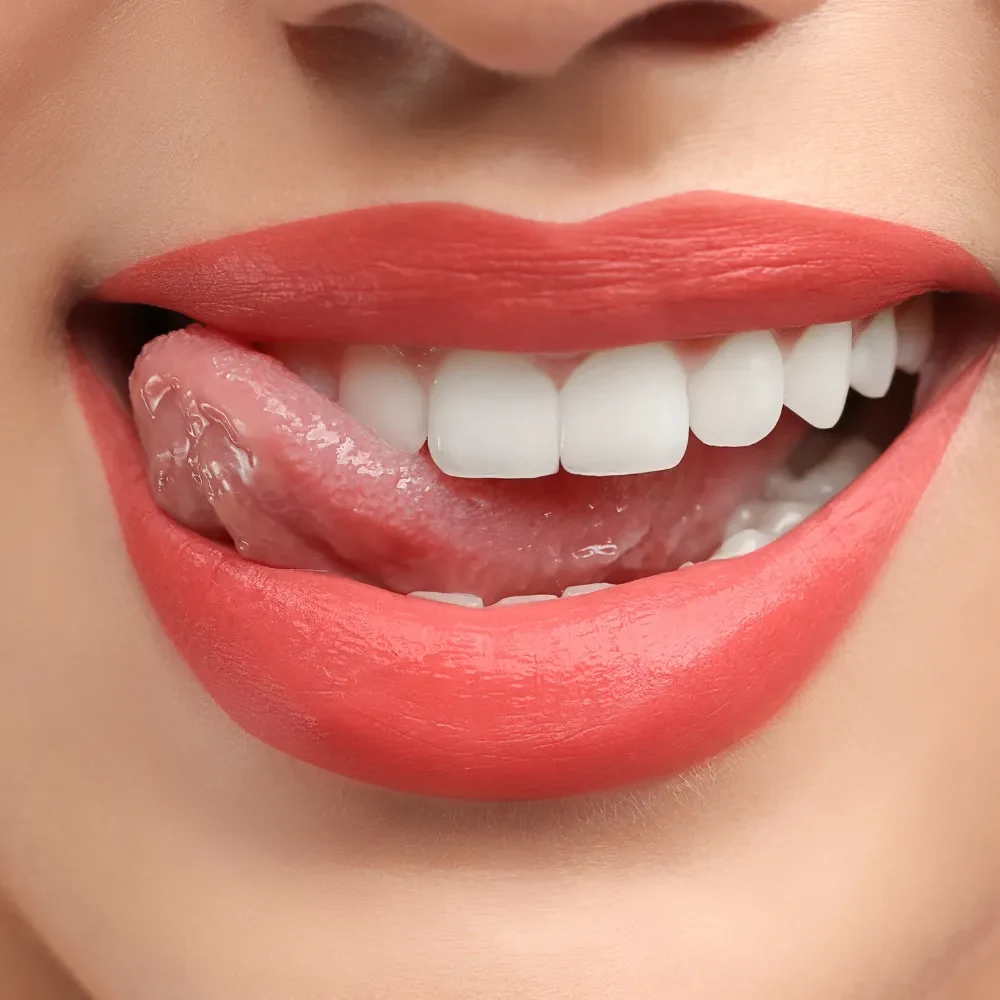
Your mouth needs time to adjust. For the first few days your veneers might feel unfamiliar — your tongue notices them and your bite may feel different when you chew. Some people get sensitive teeth for a bit, and hot and cold foods can bother you. This usually settles within a week or two.
The veneers themselves are smooth and have no nerves, so they can’t hurt. But the teeth underneath still have nerves, which is why you may feel sensitivity at first. If it doesn’t fade within a couple of weeks, call your dentist.
Caring for Your Veneers
Veneers don’t need special cleaning products — just brush twice a day and floss daily like you do with natural teeth. You can still get cavities around veneers, so good cleaning matters, and professional cleanings like guided biofilm therapy help maintain both your veneers and your overall oral health.
Do
- Brush twice daily and floss every day
- Wear a mouthguard if you play sports
- Ask about a night guard if you grind your teeth
- Keep up regular dental cleanings
Avoid
- Biting your fingernails
- Chewing ice or hard candy
- Using your teeth as tools to open packages
- Heavy coffee, tea and red wine — they stain over time
When Veneers Might Not Be the Right Fit
Veneers fix a lot, but they aren’t the answer for every situation. Sometimes another treatment protects your smile better.
Badly damaged teeth
If a tooth is badly broken or decayed, a crown may protect it better. Crowns cover the whole tooth, not just the front, adding strength and protection.
Unhealthy gums or grinding
Bleeding or swollen gums need treatment first, or they can pull back and look poor with veneers. Heavy grinding can crack veneers — a night guard or another option may suit you better.
Major straightening needed
Veneers can mask slight crookedness, but they’re not braces. For significant straightening, orthodontics works better — some people do braces first, then veneers.
Cost & Insurance
Cost depends on the type of veneer and how many you need — porcelain costs more than composite, and you might need a single veneer or six to eight, depending on what you’re fixing and what shows when you smile.
Most dental plans call veneers cosmetic, so they don’t cover them — though some may pay part of the cost if a veneer repairs a damaged tooth rather than just appearance. Check with your insurer, and we’ll talk through payment options during your consultation so you can make a choice that works for your budget.
Common Questions About Veneers in Kitchener
Does getting veneers hurt?
The prep work involves removing some enamel, which we do with local anaesthetic — you might feel pressure but not pain. After the anaesthetic wears off you may have some sensitivity. The second appointment, when the permanent veneers go on, usually doesn’t hurt at all.
Can I eat and drink normally with veneers?
Yes. You can have your morning coffee at Williams Fresh Cafe or lunch at the Kitchener Market — just avoid really hard foods and be smart about biting into things.
Can I still exercise and play sports?
Absolutely. If you bike the trails around Doon South or Stanley Park, or play at one of Kitchener’s rec centres, just wear a mouthguard for contact sports.
Do veneers mean more dental appointments?
No. You still visit twice a year for regular checkups and cleanings. Living with veneers doesn’t mean extra appointments unless something goes wrong.
Why choose a local Kitchener dentist for veneers?
Working with a local dentist means you’re not driving to Cambridge or Waterloo for appointments. Patients from Forest Heights, Huron Park, Alpine Village and Downtown come to our office at 15 Pearson Street, and if something feels wrong we’re right here to help around your schedule.
Ready to Talk About Your Smile?
Deciding about veneers isn’t something to rush — they change your teeth permanently and they cost money, but for many people they fix problems that have bothered them for years. Come in for a consultation at 15 Pearson Street in Kitchener. We’ll look at your teeth, answer your questions, and tell you honestly whether cosmetic dentistry with veneers is right for you or whether something else works better. No pressure, just the information you need to make the right choice for your smile and your life. Contact us to book.
Ready to book your Cosmetic Dentistry Dental Veneers consultation?
New patients welcome. CDCP accepted. Book online in under a minute, or call us directly.