
Dental Crowns and Bridges in Kitchener
Think about the last time you bit into an apple without worrying. Or smiled in a photo without hiding your teeth. When you have a broken tooth or missing teeth, even simple things become complicated. You might find yourself chewing only on one side of your mouth, or you’ve gotten so used to avoiding certain foods that you forgot what you’re missing.
That’s where crowns and bridges come in. At Homer Watson Dental in Kitchener, we help people get back to normal eating and smiling every day. No more working around damaged teeth or feeling self-conscious about gaps in your smile.



- AppointmentAbout 1 hour
- VisitsUsually 2, about 2 weeks apart
- Lifespan10–15 years or more
- CostInsurance often covers ~50%
What Are Crowns and Bridges?
Both are restorative options that get you back to normal eating and smiling. A crown rebuilds a single damaged tooth; a bridge replaces one or more missing teeth. Whether you’re in Forest Heights or down by Alpine Village, they solve the everyday problems of chewing on one side or hiding gaps in your smile.
Dental crowns
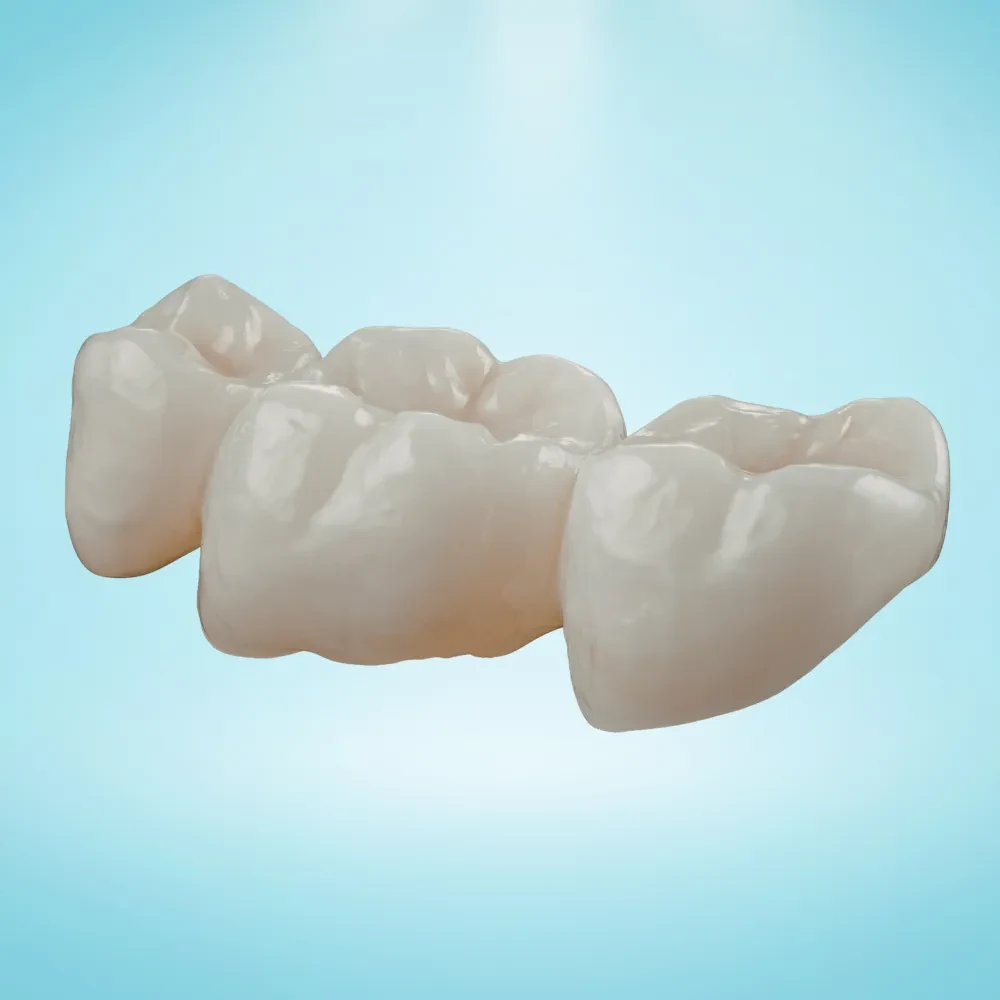
A crown is a cap that fits over a tooth that’s cracked, broken, or has a large cavity, covering it completely and making it strong again. We match the colour and shape to your other teeth, so most people can’t tell which tooth has a crown. Crowns are often placed after root canal therapy to restore strength and function.
Dental bridges
A bridge literally bridges the gap where teeth are missing. It attaches to the teeth on either side of the space, and the middle tooth fills the hole. When you lose a tooth the others start to shift and lean into the gap, throwing off your bite — a bridge keeps everything in place. For long-term replacement, dental implants may also be considered.
When Do You Need a Crown or Bridge?
If you’re not sure which one fits your situation, we can look at the tooth and explain your options. In general, the signs point one of two ways.
Signs you may need a crown
- A deep crack from grinding, biting something hard, or years of wear
- A tooth that’s become brittle after a root canal
- A large filling taking up most of the tooth
- A tooth worn down from night-time grinding
- A badly stained or oddly shaped tooth you want to cover
Signs a bridge could help
- You’re missing one or more teeth
- You want a permanent fix that doesn’t come in and out like dentures
- You have healthy teeth on both sides of the gap
- You’d rather avoid surgery — bridges are faster than implants
People in Doon and Stanley Park often come to us when they want to replace missing teeth without surgery or the months of healing that implants involve.
The Crown and Bridge Process
Most of the work happens over two visits about two weeks apart, and the final appointment usually takes about an hour.
- Numbing & shaping
We numb the area so you don’t feel anything, then shape the tooth — removing a thin layer all around it — to make room for the crown. For a bridge, we shape the teeth on both sides of the gap.
- Taking an impression
We take a mould of your teeth so your crown or bridge fits perfectly. Instead of goopy impression material, we can use a comfortable digital scanner.
- Temporary crown or bridge
A temporary one protects the tooth and lets you eat and smile normally while the dental lab makes your permanent restoration — usually about two weeks.
- Fitting the permanent
You come back in, we remove the temporary, and try the new crown or bridge to make sure it fits and feels right. We check your bite so it isn’t too high or too low.
- Cementing in place
Once everything looks good, we cement it. You can eat and drink normally afterward. Some sensitivity to hot and cold for a few days is normal and fades.
Materials We Use
The right material depends on which tooth needs the work, how much you chew on that side, and how you want it to look. We’ll talk through the options together.
Porcelain
Looks the most natural — it matches your tooth colour and shine, so it’s great for front and back teeth. It can chip if you bite something really hard, so a little care helps.
Porcelain-fused-to-metal
Porcelain on the outside with a metal core inside. The metal adds strength and the porcelain looks good — a solid choice for back teeth that do heavy chewing.
Gold & metal alloys
Gold crowns last a very long time and are gentle on the teeth they bite against. Many people like them for back teeth nobody sees. They’re super strong and almost never break.
Zirconia
A newer material that’s very strong and looks natural. It holds up to a lot of pressure, so it’s ideal if you grind your teeth — strength and appearance in one.
How Much Do Crowns and Bridges Cost?
Cost depends on the material you choose and how many teeth are involved — a single crown costs less than a bridge because a bridge covers multiple teeth. Most dental insurance pays part of the cost, usually 50% after your deductible, and we’ll check your coverage before we start. No insurance? We can talk about paying over time. The main thing is fixing the problem before it gets worse and more expensive to treat.
Caring for Your Crown or Bridge
Crowns and bridges can last 10 to 15 years, and often longer, when you look after them. A few simple habits make all the difference.
Do
- Brush twice a day — the tooth under a crown can still decay where it meets the gum
- Floss daily, using a floss threader under the false tooth of a bridge
- Wear a night guard if you grind your teeth
- See us every six months for cleanings and checkups
Avoid
- Chewing ice or hard candy — it can crack a crown like a natural tooth
- Using your teeth to open packages or bite fingernails
- Skipping cleanings and letting plaque build at the crown edge
Why Choose Homer Watson Dental in Kitchener
We’re located at 15 Pearson Street in Kitchener, close to the Alpine Village and Forest Heights areas, with parking right at the building. We’ve been helping people here fix their smiles for years, and we’re easy to reach from Doon, Stanley Park, Huron Park, or anywhere else in Kitchener.
When you come in, we explain everything in plain English — no confusing dental jargon. We show you what needs to be done and why, work with most insurance companies, and offer payment options if you don’t have coverage. Getting a crown or bridge shouldn’t be stressful: you come in with a problem and leave with a solution that lets you eat and smile normally again.
A small crack can turn into a big break, and a missing tooth lets the others shift and your bite change. Patients near Homer Watson Boulevard and Country Hills sometimes wait years, get used to chewing on one side, and end up stressing the other teeth until they crack too. Missing teeth can even make your cheeks look sunken and your face older. The sooner you fix it, the easier and less expensive the repair.
Common Questions About Crowns and Bridges
Patients from Victoria Park to Country Hills East ask us about crowns and bridges every day. Here are the questions we hear most.
What’s the difference between a crown, a veneer, and a filling?
A filling works when the damage is small — the dentist cleans out the bad part and fills it in. A crown covers the whole tooth, which you need when more than half is damaged or a filling won’t be strong enough. A veneer is a thin shell that covers only the front of a tooth for appearance — it doesn’t add strength like a crown does.
Should I choose a bridge or dental implants?
An implant is a metal post placed in your jaw with a crown on top, like a new tooth root. Implants are excellent but need surgery and several months of healing, while bridges are faster with no surgery. A bridge also avoids touching the teeth beside the gap in the same way. Both work well — it depends on your situation and what you want.
Why not just pull the tooth?
Pulling a tooth seems easier, but then you’re left with a gap. Your teeth shift, your bite changes, and chewing gets harder. A crown saves your natural tooth, which is almost always better than losing it.
Can I wait and see if the tooth gets better on its own?
Teeth don’t heal themselves. A crack only gets bigger, bacteria get in, and you can end up needing a root canal or losing the tooth completely. Fixing it now with a crown stops the problem before it gets worse.
Will people be able to tell I have a crown or bridge?
We match the colour and shape to your other teeth, so most people can’t tell which tooth has a crown once it’s in place.
How long do crowns and bridges last?
Typically 10 to 15 years, and often longer with good brushing, flossing, and regular checkups.
If you have a cracked tooth, a tooth that hurts when you bite down, or a gap you’re tired of working around, contact us at our 15 Pearson Street location. We’ll look at what’s going on and explain your options in plain language — no pressure — so you can get back to enjoying your food and feeling confident when you smile.
Ready to book your Cosmetic Dentistry Dental Crowns And Bridges consultation?
New patients welcome. CDCP accepted. Book online in under a minute, or call us directly.