



Tooth loss can affect daily activities such as eating, speaking, and smiling. Many people explore replacement options when one or more teeth are missing. In Kitchener, patients often discuss two common solutions with their dentist: dental implants and dentures.
Both options can help restore the appearance and function of teeth. However, in recent years many patients have been asking more questions about dental implants and how they compare to traditional dentures.
If you are considering dental implants in Kitchener, understanding the differences between these treatments can help you discuss the best option with your dentist.
Understanding tooth replacement options
When a tooth is lost due to decay, injury, or gum disease, replacing it can help maintain oral health. Gaps in the mouth may cause surrounding teeth to shift or change how your bite functions.
Dentists often discuss several replacement options depending on the patient’s needs.
What are dental implants?
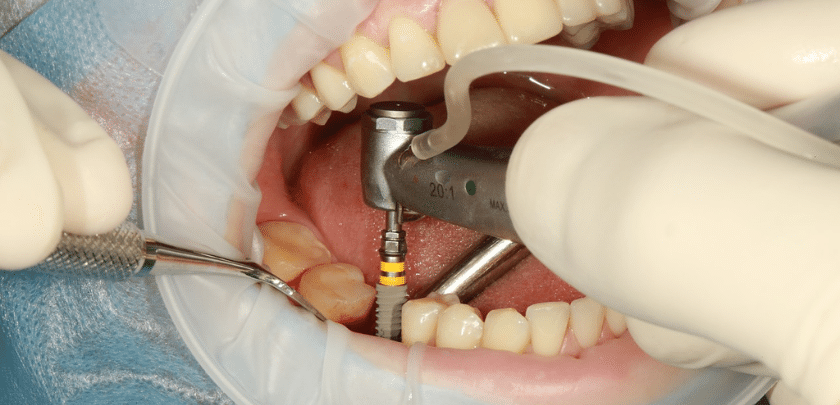
Dental implants are artificial tooth roots placed into the jawbone to support a dental restoration. After healing, the implant may support a dental crown or other restoration designed to look like a natural tooth.
Dental implants are designed to integrate with the jawbone and support long-term tooth replacement.
Many patients explore dental implants in Kitchener because they can restore both appearance and chewing function.
What are dentures?
Dentures are removable dental appliances used to replace multiple missing teeth. They may replace several teeth or a full set of teeth depending on the patient’s situation.
Dentures rest on the gums and are designed to restore the appearance of the smile while allowing patients to eat and speak more comfortably.
Dentists often discuss dentures as one option for replacing multiple missing teeth.
Why many Kitchener residents are considering dental implants
Patients in Kitchener explore dental implants for several reasons when discussing tooth replacement options with their dentist.
Stability during daily activities
Dental implants are anchored into the jawbone. This support may provide stability when chewing or speaking.
Dentures are removable appliances and may require adjustments to maintain proper fit over time.
Supporting surrounding teeth
Dental implants replace missing teeth without relying on neighboring teeth for support. This can help maintain the natural structure of surrounding teeth.
In some cases, other restorations such as dental bridges rely on adjacent teeth for support.
Long-term tooth replacement
Dental implants are designed as a long-term solution for missing teeth. With proper care and regular dental visits, implants may remain stable for many years.
Dentures may require adjustments or replacement as the shape of the gums and jaw changes over time.
A dentist can help patients understand which option may be appropriate for their oral health needs.
Comparing dental implants and dentures
When deciding between tooth replacement options, patients often ask how dental implants and dentures differ.
Comfort and stability
Dental implants are fixed in place within the jawbone. Because of this support, some patients feel that implants provide greater stability during everyday activities.
Dentures are removable appliances. Over time they may need adjustments to maintain proper fit.
Maintenance and care
Dental implants are cared for similarly to natural teeth. Regular brushing, flossing, and dental checkups help maintain oral health.
Dentures require regular cleaning and proper storage when not in use. Your dentist will explain how to care for them properly.
Jawbone support
The jawbone plays an important role in maintaining facial structure. Dental implants interact with the jawbone in a way that helps maintain bone support.
Dentures rest on the gums and do not provide the same type of interaction with the bone.
Your dentist will evaluate your oral health and explain which treatment may be appropriate based on your needs.
Who may be a candidate for dental implants
Dental implants are not suitable for every patient. A dental examination helps determine whether implants may be appropriate.
Dentists often consider several factors during the consultation.
Gum health
Healthy gums help support dental implants. Dentists check for signs of gum disease before recommending treatment.
Jawbone support
Dental implants rely on the jawbone for stability. Dental imaging may be used to evaluate bone density.
Overall health considerations
Your dentist may review your medical history and discuss factors that may affect healing.
A consultation helps determine the best treatment plan based on your individual oral health.
Why choose Homer Watson Dental in Kitchener
Patients searching for a dentist in Kitchener often look for a clinic that provides patient-focused care and clear communication.
Homer Watson Dental provides dental care for individuals and families throughout the Kitchener community.
Experienced dental professionals
The dental team provides preventive, restorative, and cosmetic dental care. Dentists carefully evaluate oral health before recommending treatment options.
Personalized treatment planning
Every patient has unique dental needs. Dentists work with patients to explain treatment options and develop individualized care plans.
Comprehensive dental services
The clinic offers a range of dental treatments that support long-term oral health. Preventive care and patient education are an important part of the clinic’s approach.
Patient comfort and communication
The dental team works to create a welcoming environment where patients feel comfortable asking questions about their dental health and treatment options.
Areas served in Kitchener
Homer Watson Dental welcomes patients from across Kitchener and nearby communities.
Patients often visit the clinic from areas including:
- Doon South
- Pioneer Park
- Williamsburg
- Huron Park
- Cambridge
- Waterloo
The clinic location on Homer Watson Boulevard makes it accessible for many residents in the region.
Maintaining oral health after tooth replacement
Good oral care habits help protect both natural teeth and dental restorations.
Simple daily habits support long-term oral health.
Brush twice daily
Brushing helps remove plaque and food particles from teeth and restorations.
Floss regularly
Flossing helps clean areas between teeth and around dental restorations.
Schedule routine dental visits
Regular dental exams and professional cleanings allow dentists to monitor oral health and check the condition of restorations.
FAQs about dental implants and dentures
Are dental implants better than dentures?
Both options can replace missing teeth. The right treatment depends on a patient’s oral health, preferences, and dental evaluation. Your dentist can explain which option may be suitable for your situation.
How long do dental implants last?
Dental implants are designed as a long-term tooth replacement option. Their longevity depends on oral hygiene habits and regular dental visits.
Are dentures still commonly used?
Yes. Dentures remain a common treatment for replacing multiple missing teeth. Dentists may recommend them depending on the patient’s oral health and treatment goals.
Can dental implants replace several missing teeth?
Dental implants may support different types of restorations depending on the number of missing teeth. A dental consultation helps determine the most suitable approach.
How do I know if I am a candidate for dental implants?
A dentist will evaluate your oral health, gum condition, and jawbone structure during a consultation to determine whether dental implants may be appropriate.
Book a dental consultation in Kitchener
If you are exploring options for replacing missing teeth, speaking with a dental professional can help you understand what treatments may be available.
Homer Watson Dental provides dental care for patients across Kitchener and nearby communities. During a consultation, the dental team can evaluate your oral health and discuss tooth replacement options such as dental implants or dentures.
If you are looking for dental implants in Kitchener, you can schedule an appointment with Homer Watson Dental to learn more about your options.
Call Homer Watson Dental at 226-270-6311 to book your consultation.
A dental consultation allows you to discuss your concerns and explore treatment options that may help restore your smile and oral health.